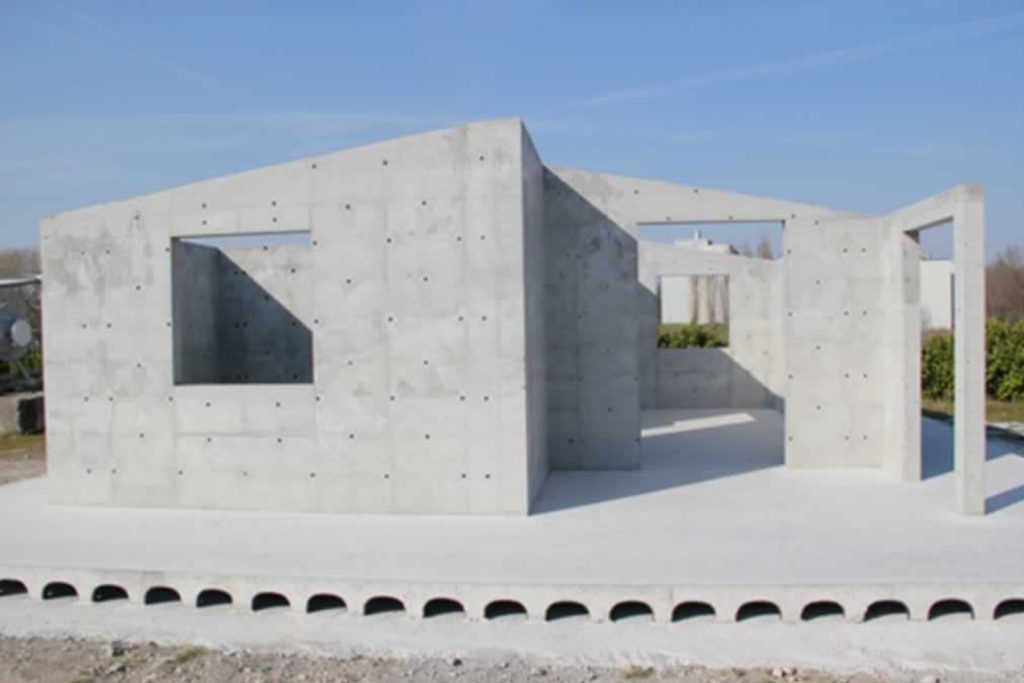
Fair Faced Concrete
This system guarantees a flawless and visually appealing finish for visible concrete surfaces. Perfect for projects prioritizing architectural beauty and excellence.
READ MORE
This system guarantees a flawless and visually appealing finish for visible concrete surfaces. Perfect for projects prioritizing architectural beauty and excellence.
READ MOREFair faced formwork is selected when the concrete surface remains visible after de-shuttering. Ranking content must answer finish-related questions because users are not only buying shuttering; they are buying joint control, tie pattern planning, leakage control and surface consistency.
Nav Nirman supports fair faced concrete work through appropriate form-facing material, wall and column formwork selection, panel layout planning and technical guidance for site execution.
Fair faced formwork is formwork planned to produce a visible architectural concrete surface with controlled joints, tie positions and surface finish.
High-quality film faced or suitable form-facing plywood is commonly used, but the final selection depends on finish class and reuse expectations.
No. Finish quality also depends on concrete mix, release agent, vibration, joint sealing and workmanship.
For additional design and safety context, project teams may also refer to recognized industry guidance such as the ACI Guide to Formwork for Concrete and OSHA cast-in-place concrete requirements. Final formwork design should always be reviewed against project drawings, local codes, concrete pressure and site conditions.